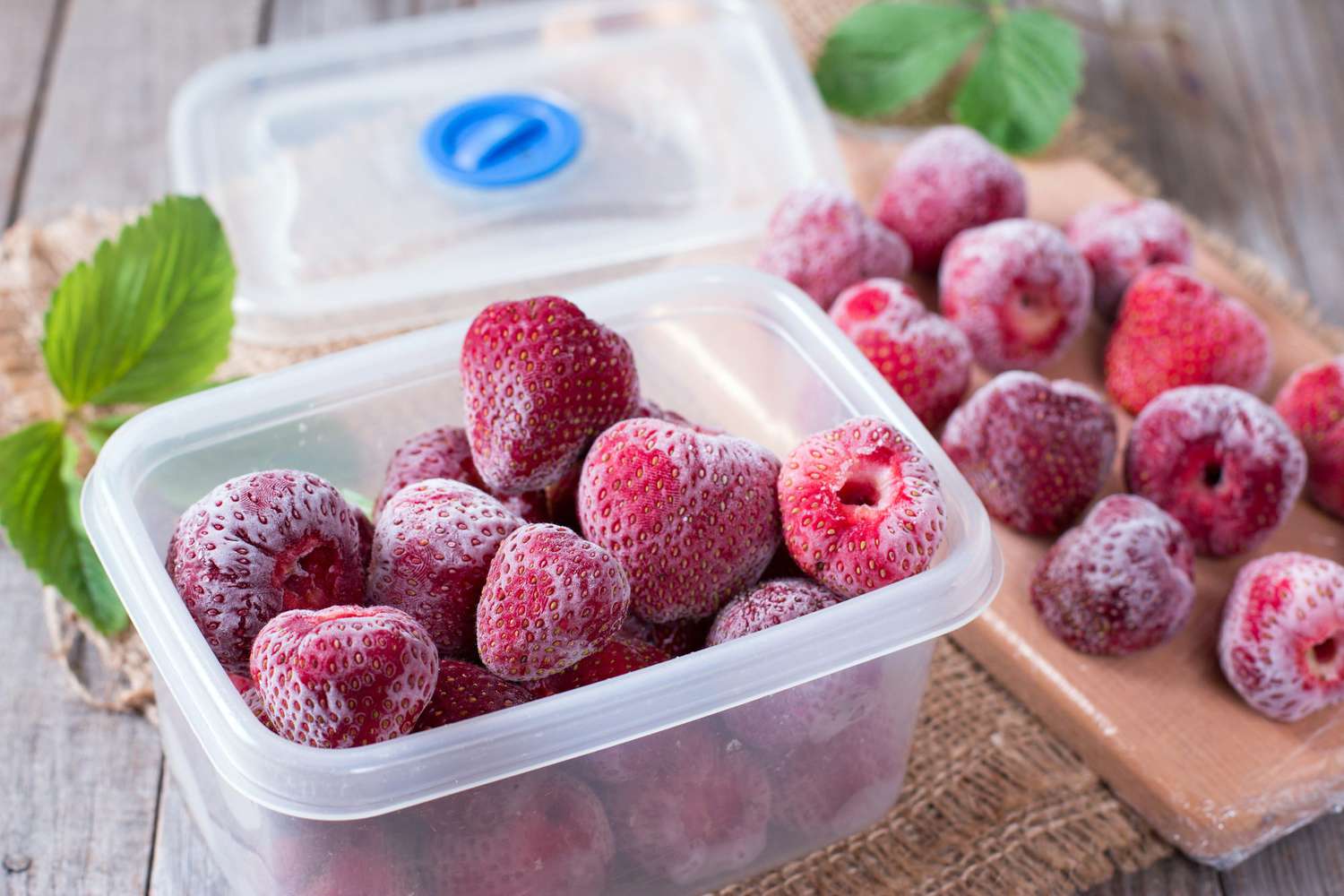
Unlock Year-Round Flavor: Your Comprehensive Guide on How to Store and Freeze Strawberries
Few things signal the arrival of warmer weather quite like the vibrant sight and irresistible aroma of fresh strawberries. Bursting with sweet, juicy flavor, these scarlet gems are a seasonal delight, perfect on their own, in a refreshing fruit salad, or as the star of countless desserts. However, the strawberry season, typically from May through June, is famously fleeting. If you've ever found yourself with an abundance of these precious berries, only to watch them wrinkle or succumb to mold after just a few days in the fridge, you know the frustration. The good news? You can easily extend their luscious life and enjoy that peak-season taste long after summer fades. Learning
how to store and freeze strawberries correctly is your secret weapon against food waste and for year-round berry bliss.
Why Freezing Strawberries is a Game Changer
Fresh strawberries are notoriously delicate. Even with careful refrigeration, their shelf life rarely extends beyond three to four days. This quick expiration often leads to a dilemma: either consume them all immediately or risk them going bad. Freezing offers a simple, effective solution, allowing you to capture their peak freshness and sweetness for months.
But it's not just about preservation; it's about culinary convenience and versatility. Imagine being able to whip up a strawberry smoothie in January, bake a strawberry pie in October, or add a burst of berry flavor to your breakfast oatmeal any day of the year – all thanks to your frozen stash. However, simply tossing them into a freezer bag will likely result in a solid, icy block of berries that are difficult to separate and prone to excessive sogginess upon thawing. The key lies in understanding the science of freezing and implementing a technique that protects their delicate structure: flash freezing.
The Art of Flash Freezing: Your Go-To Method for Perfect Berries
The primary culprit behind soggy, waterlogged thawed berries is the formation of large ice crystals. When berries freeze slowly, these crystals expand, rupturing the cell walls of the fruit. Upon thawing, the defrosted berries lose their structure, becoming mushy. Flash freezing, which rapidly exposes berries to cold air, minimizes this crystal formation, preserving more of their natural texture and flavor. This method also prevents them from sticking together, allowing you to grab just the amount you need. For a deeper dive into this technique, read our article:
Flash Freeze Strawberries: Keep Them Fresh: Not Icy.
Here’s a step-by-step guide on
how to store and freeze strawberries using the flash-freezing method:
1.
Select and Inspect: Start with the freshest, ripest, and firmest strawberries you can find. Discard any that are bruised, soft, or showing signs of mold. Quality in, quality out!
2.
Rinse Gently: Place your berries in a colander and rinse them under cool, running water. Avoid soaking them, as this can make them absorb too much water.
3.
Thoroughly Dry: This step is critical! Excess moisture on the surface of the berries will turn into ice crystals, contributing to freezer burn and sogginess. Gently blot the strawberries dry with paper towels or a clean kitchen towel. You can even lay them out on a few layers of paper towels to air dry for 30 minutes to an hour, ensuring every berry is as dry as possible. A salad spinner can also be helpful here.
4.
Hull and Prep: Remove the green stems and hull (the white core) from each strawberry using a paring knife or a strawberry huller. Now, decide on their future use.
*
Whole: Ideal for smoothies, sauces, or cocktails.
*
Halved/Sliced: For larger berries or those you plan to use in pies, muffins, or as toppings, cutting them into halves or slices can be more practical. This prevents them from becoming "boulders" in your blender and allows for more even distribution in recipes.
5.
Arrange for Flash Freezing: Line a large baking sheet with parchment paper or wax paper. This prevents the berries from sticking to the tray. Arrange the prepped strawberries in a single layer, ensuring there's ample space between each berry. If you halved or sliced them, place them cut-side down for stability.
6.
Initial Freeze: Transfer the uncovered baking sheet directly into your freezer. Freeze until the berries are completely solid, which usually takes about six hours, but can be done overnight. This rapid, single-layer freezing is the "flash" part of the process, locking in their structure.
7.
Transfer to Storage: Once rock-hard, quickly transfer the frozen strawberries from the baking sheet into airtight freezer bags or rigid freezer-safe containers. Press out as much air as possible from bags to minimize freezer burn.
8.
Label and Date: Always label your bags or containers with the date and contents. This will help you keep track of their freshness.
Storage Savvy: Keeping Your Frozen Berries at Their Best
Proper storage after flash freezing is just as important as the freezing process itself.
*
Airtight is Key: Whether you choose zip-top bags (consider double-bagging for extra protection) or sturdy containers, ensuring an airtight seal is paramount. Exposure to air is the enemy, leading to freezer burn and a degradation of flavor and texture.
*
Avoid the Freezer Door: The freezer door is subjected to frequent temperature fluctuations every time it's opened and closed. These temperature swings can cause berries to partially thaw and refreeze, promoting the formation of large ice crystals. For optimal quality, store your frozen strawberries in the coldest, most consistent part of your freezer – typically towards the back.
*
Shelf Life: Flash-frozen strawberries will retain their peak flavor and texture for about 6 to 8 months. While they remain safe to eat beyond this period, their quality may gradually diminish. To make the most of your efforts, try to use them within that timeframe.
Thawing & Using Frozen Strawberries: Recipes and Tips
Understanding
how to store and freeze strawberries also includes knowing how to properly thaw them and utilize them in your culinary adventures. Keep in mind that thawed strawberries will naturally be softer than fresh ones due to their high water content and the freezing process. They may not hold their shape perfectly for something like a garnish, but their flavor will still be fantastic. For tips on managing the texture, you might find our related article helpful:
The Best Way to Freeze Strawberries: Avoid Soggy Thaw.
Here are the best ways to thaw your berries and some inspiration for their use:
*
Slow Thaw in the Refrigerator: For applications where you need the berries to hold some semblance of shape, transfer the desired amount to a bowl and let them thaw slowly in the refrigerator overnight. Drain any accumulated liquid before use.
*
Quick Thaw (Cold Water Bath): If you're in a hurry, place the frozen berries (still in their sealed bag) into a bowl of cold water for 15-30 minutes. Do not use hot water, as this can make them mushy.
*
Directly from Frozen: Many recipes don't require thawing at all!
*
Smoothies: Toss them directly into your blender for an icy, thick beverage.
*
Sauces & Compotes: Simmer frozen strawberries directly in a saucepan to make delicious jams, coulis, or toppings for pancakes and ice cream.
*
Baked Goods: When adding to muffins, quick breads, or pies, toss frozen berries with a bit of flour before folding them into the batter. This helps prevent them from sinking to the bottom and reduces excess moisture.
*
Dessert Toppings: A handful of frozen berries makes a beautiful and refreshing addition to yogurt, oatmeal, or even as "ice cubes" in water or lemonade.
By mastering the simple yet effective technique of flash freezing, you're not just preserving fruit; you're preserving the taste of summer. It's an empowering skill that extends the joy of fresh strawberries far beyond their fleeting season, making it easier than ever to enjoy their sweet goodness whenever the craving strikes. So, next time you find yourself with a bounty of berries, remember these tips on
how to store and freeze strawberries, and enjoy their vibrant flavor all year long.