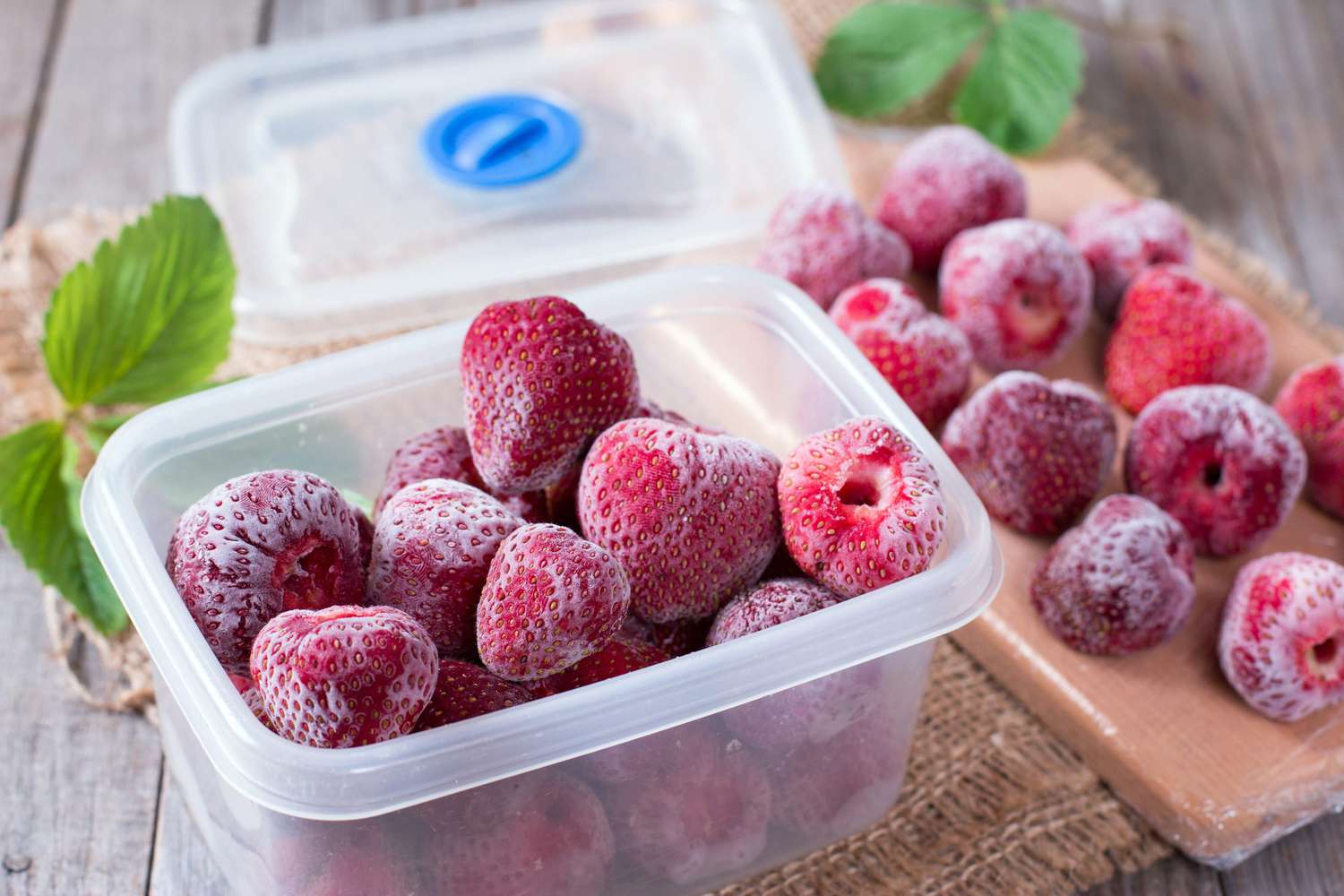
Flash Freeze Strawberries: Keep Them Fresh, Not Icy
Few fruits capture the essence of summer quite like the strawberry. Its vibrant red hue, intoxicating fragrance, and juicy sweetness make it a star in everything from simple fruit salads to elaborate desserts. Yet, as delightful as these berries are, their season is fleeting – typically from May through June – and their delicate nature means they have a notoriously short shelf life, often lasting only a few days in the refrigerator before they start to wrinkle or show signs of mold. This dilemma often leaves us with a surplus, prompting the age-old question:
how to store and freeze strawberries effectively to preserve their peak flavor and texture?
The good news is that you don't have to let a single berry go to waste. Freezing strawberries is an excellent way to extend their enjoyment long after the season ends, allowing you to savor that summer taste in the depths of winter. However, simply tossing them into a freezer bag is a common pitfall that often leads to a disappointing, icy, and flavorless mass. The secret to success lies in a technique called "flash freezing," which safeguards their quality and prevents that dreaded freezer burn and ice crystal formation.
Why Flash Freezing is the Superior Method for Strawberries
Strawberries are nature's tiny water balloons, boasting a high water content that makes them incredibly juicy when fresh. This same characteristic, however, is what makes them vulnerable to becoming soggy and waterlogged upon thawing if not frozen correctly. When strawberries freeze slowly, the water inside their cells has time to form large ice crystals. These sharp crystals puncture the cell walls, breaking down the berry's delicate structure. When you eventually thaw them, the integrity of the fruit is compromised, resulting in a mushy, soft texture and a noticeable loss of flavor. This is why many people shy away from using frozen berries for anything but smoothies or baking, believing their texture is irrevocably altered.
Flash freezing offers a brilliant solution to this challenge. This method involves rapidly exposing individual berries to extremely cold temperatures, causing the water within their cells to freeze quickly into much smaller, more numerous ice crystals. These smaller crystals inflict less damage on the cell walls, meaning that when the strawberries eventually thaw, more of their original structure and juicy integrity are preserved. Not only does this technique dramatically reduce sogginess, but it also prevents the berries from clumping together into an unusable "boulder-like cluster." Instead, you'll have individual, free-flowing frozen strawberries that are easy to portion out for any recipe, making it truly the best way to
Extend Strawberry Season: How to Freeze Strawberries and maintain their quality.
Step-by-Step Guide: How to Flash Freeze Strawberries Like a Pro
Mastering the art of flash freezing strawberries is simpler than you might think, and the payoff in flavor and convenience is immense. Here's a detailed breakdown of the process:
1. Prepare Your Berries with Care
- Rinse Gently: Place your fresh strawberries in a colander and rinse them under cool, running water. Avoid soaking them, as this can lead to water absorption and a loss of flavor.
- Thoroughly Dry is Key: This is arguably the most critical step to prevent ice buildup. Gently blot the rinsed berries dry with a clean tea towel or several layers of paper towels. Ensure they are as dry as possible; any lingering moisture will turn into ice crystals on the surface.
- Hull and Trim: Using a small paring knife or a specialized strawberry huller, remove the green stems and leafy caps (this is called hulling). Discard any bruised or overripe berries.
2. Decide on Your Desired Form
One invaluable tip from chefs is to freeze your strawberries in the form you plan to use them.
- Whole: Ideal for smoothies, garnishes, or any recipe where the whole berry aesthetic is desired.
- Halved or Sliced: For larger berries, halving them can speed up freezing and make them easier to blend later. Slicing them can be beneficial for pies or tarts where uniform pieces are preferred, but keep in mind thinner slices might be more prone to breaking when frozen. Freezing them pre-cut means less work when you're ready to use them.
3. Set Up for Flash Freezing
- Line a Baking Sheet: Take a large baking sheet and line it with parchment paper or wax paper. This crucial step prevents the berries from sticking to the sheet and makes them easy to remove once frozen.
- Single Layer & Spacing: Arrange the prepared strawberries in a single layer on the lined baking sheet. Ensure there is ample space between each berry – they should not be touching. This spacing is vital for the "flash" in flash freezing, allowing the cold air to circulate around each berry individually, promoting rapid and even freezing.
4. The Initial Freeze
- Uncovered Freeze: Transfer the uncovered baking sheet directly into your freezer. Make sure it's placed in a flat, stable area where it won't be disturbed.
- Freeze Until Solid: Allow the strawberries to freeze until they are completely hard, which typically takes about 4-6 hours, depending on the size of the berries and the efficiency of your freezer.
5. Transfer to Long-Term Storage
- Airtight Containers: Once the strawberries are rock-solid, quickly transfer them from the baking sheet into freezer-safe, airtight containers or heavy-duty zip-top freezer bags. This is where you prevent freezer burn, which occurs when air comes into contact with the frozen food, dehydrating it and altering its texture and flavor.
- Remove Excess Air: If using freezer bags, press out as much air as possible before sealing. Consider using a straw to suck out residual air for an even tighter seal.
- Label and Date: Always label your containers or bags with the contents ("Flash Frozen Strawberries") and the date they were frozen.
- Optimal Freezer Placement: Store the frozen strawberries in the coldest part of your freezer, typically towards the back. Avoid the freezer door, which is subject to frequent temperature fluctuations every time it's opened, potentially compromising the berries' quality over time.
Maximizing Flavor and Longevity: Storage and Thawing Tips
Properly flash-frozen strawberries will retain their peak flavor and texture for about six months. While they remain safe to eat after this period, their taste and quality will gradually begin to deteriorate. To truly
The Best Way to Freeze Strawberries: Avoid Soggy Thaw, consider these additional tips:
Storage Longevity
- Prevent Freezer Burn: The key to long-term quality is preventing freezer burn. Ensure your storage containers are truly airtight and that minimal air is trapped inside. Vacuum sealing bags are excellent for this purpose.
- Consistent Temperature: A consistent freezer temperature (0°F / -18°C or below) is vital for maintaining the quality of any frozen food.
Thawing Techniques
The way you thaw your strawberries can significantly impact their final texture and flavor, depending on how you plan to use them.
- For Smoothies and Baking: Often, no thawing is needed! Frozen strawberries are perfect for blending directly into smoothies, adding to baked goods (like muffins or crisps), or simmering into sauces and jams.
- For Near-Fresh Use (Minimal Sogginess): If you want to use them in a fruit salad or as a garnish and desire the best possible texture, transfer the desired amount to a bowl and thaw them slowly in the refrigerator overnight. This gentle, gradual thawing helps minimize cellular damage and leakage. Be aware that even perfectly flash-frozen berries will be softer than fresh ones once thawed, due to their high water content.
- Quick Thaw (for immediate use in cooked dishes): If you're in a hurry and plan to cook them down, you can spread them on a plate at room temperature for 30-60 minutes, or even gently microwave them on a defrost setting in short bursts. Expect a softer, more liquid outcome with these faster methods.
Once thawed, use your strawberries promptly, as their delicate structure will deteriorate more quickly than fresh berries.
Conclusion
By mastering the simple yet effective technique of flash freezing, you can transform how you enjoy strawberries, making their fleeting season last all year long. No more worrying about excess berries going to waste or settling for icy, flavorless clusters. Instead, you'll have a ready supply of individual, perfectly preserved strawberries, waiting to brighten your breakfast smoothies, elevate your desserts, or simply bring a taste of summer to any dish. Embrace this method, and you'll discover the true joy of having plump, sweet, and mostly intact berries whenever the craving strikes.