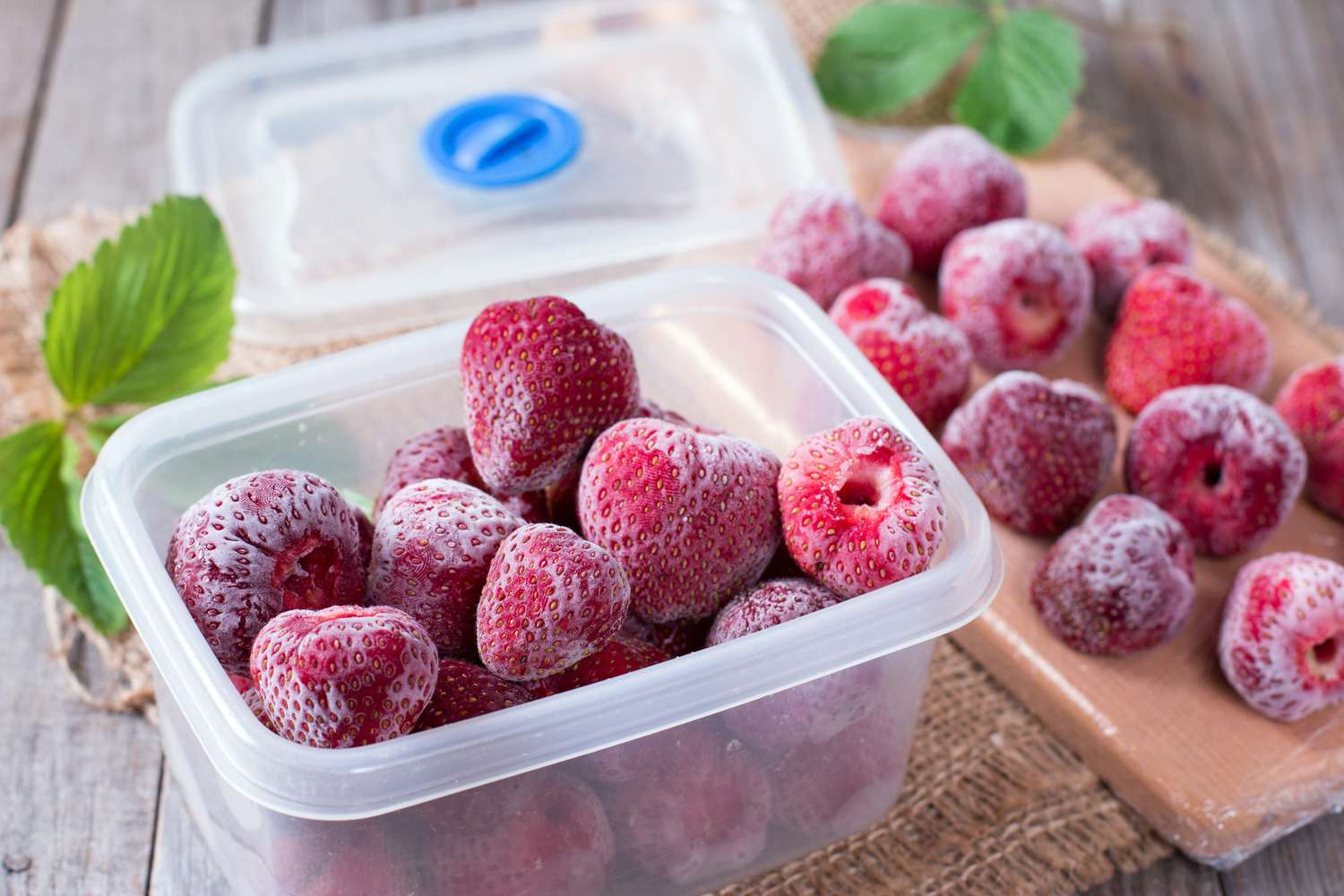
The Best Way to Freeze Strawberries: Avoid Soggy Thaw and Preserve Peak Flavor
Strawberries, with their vibrant red hue, irresistible fragrance, and juicy sweetness, are undeniably one of nature's finest treats. From May through June, these berries grace our tables, perfect on their own, tossed into salads, or forming the cornerstone of countless desserts. Yet, their beauty is fleeting. Fresh strawberries have a notoriously short shelf life, often wilting or molding within a mere three to four days, even when refrigerated.
If you've ever found yourself with a surplus of these delightful berries, wondering how to store and freeze strawberries effectively to extend their enjoyment, you're in the right place. Simply tossing them into a freezer bag can lead to a disappointing, icy, and ultimately soggy outcome upon thawing. The good news? With the right technique, you can preserve their juicy sweetness and enjoy them long after their season has ended, ensuring every thaw is a delight, not a watery mess.
Why Freezing Strawberries is a Game-Changer for Berry Lovers
Extending the life of fresh produce is not just about convenience; it's about maximizing flavor and minimizing waste. Freezing strawberries allows you to capture their peak seasonal taste, ensuring you have a supply for smoothies, baking, and sauces throughout the year. Imagine a taste of summer in the depths of winter! The challenge, however, lies in preventing that dreaded "soggy thaw" – a common pitfall that can turn plump, sweet berries into mushy, flavorless water bombs.
This sogginess isn't due to the freezing process itself, but rather the formation of large ice crystals. Strawberries have a high water content. When frozen slowly, water within the fruit forms large, sharp ice crystals that rupture the berry's cell walls. Upon thawing, these damaged cells collapse, releasing their water and resulting in a soft, watery, and unappealing texture. The key to successful freezing lies in understanding and counteracting this cellular damage.
The Science of Preventing Soggy Strawberries: Flash Freezing Explained
To truly master how to store and freeze strawberries, you need to employ a technique known as flash freezing. This method rapidly exposes the berries to extremely cold air, causing the water inside to freeze quickly into much smaller ice crystals. These smaller crystals cause less damage to the cell walls, thus preserving the berry's structure and minimizing sogginess upon thawing. Think of it as hitting the pause button on freshness.
Flash freezing offers several distinct advantages:
- Prevents Sticking: By freezing berries individually, you avoid the frustrating problem of a giant, unmanageable block of frozen fruit. This means you can easily grab just the amount you need.
- Preserves Texture: Minimizing cell damage keeps the berries firmer and more intact after thawing.
- Locks in Flavor: A quicker freeze means less time for flavor compounds to degrade, ensuring your berries taste as close to fresh as possible.
For an in-depth look at this crucial technique, explore our guide on Flash Freeze Strawberries: Keep Them Fresh, Not Icy.
Step-by-Step Guide: How to Store and Freeze Strawberries Perfectly
Ready to transform your berry bounty into a year-round delight? Here’s the definitive method for flash-freezing strawberries that will keep them tasting great and prevent that infamous soggy thaw.
What You'll Need:
- Ripe, firm strawberries
- Colander
- Clean kitchen towels or paper towels
- Paring knife or strawberry huller
- Large baking sheet(s)
- Parchment paper or wax paper
- Freezer-safe bags (zip-top or silicone) or airtight containers
- Permanent marker
The Freezing Process:
- Select Your Berries Wisely: Start with the best. Choose strawberries that are firm, fully red, and free from bruises or mold. Freezing won't improve the quality of subpar berries.
- Rinse Gently: Place your strawberries in a colander and rinse them under cool, running water. Avoid soaking them, as this can make them absorb excess water, which contributes to sogginess.
- Crucial Drying Step: This is perhaps the most important step! Gently spread the rinsed berries on a clean kitchen towel or several layers of paper towels. Blot them thoroughly dry. Any excess water on the surface will turn into ice crystals, leading to freezer burn and a less desirable texture. Let them air dry for an additional 15-30 minutes if needed, ensuring they are completely dry to the touch.
- Hull and Prep: Remove the green stems and hulls using a small paring knife or a strawberry huller. For larger strawberries, it's beneficial to halve or even quarter them. This makes them easier to use straight from the freezer (e.g., in a blender) and also speeds up the freezing process, further reducing ice crystal formation. Consider how you plan to use them – whole berries are great for smoothies, but halves are easier for baking or sauces.
- Arrange for Flash Freezing: Line one or more large baking sheets with parchment paper or wax paper. This prevents the berries from sticking to the sheet. Arrange the prepared strawberries in a single layer, ensuring there is ample space between each berry. Do not let them touch! This separation is vital for true flash freezing and preventing them from clumping together into an icy boulder.
- Freeze Until Solid: Transfer the uncovered baking sheet(s) to your freezer. Ensure the sheet is level and undisturbed. Freeze for approximately 4-6 hours, or until the strawberries are completely solid and hard to the touch.
- Transfer and Store: Once thoroughly frozen, quickly transfer the individual frozen strawberries from the baking sheet into freezer-safe zip-top bags or airtight containers. Squeeze out as much air as possible from bags to minimize freezer burn. If using containers, ensure they are tightly sealed.
- Label and Locate: Don't forget to label your bags or containers with the date. Frozen strawberries are best used within six to eight months for optimal flavor and texture. Store them in the coldest part of your freezer, ideally not in the freezer door, which is prone to temperature fluctuations that can compromise quality.
Smart Tips for Maximizing Your Frozen Strawberry Experience
To Sweeten or Not to Sweeten?
While not strictly necessary, some people like to add a touch of sugar or simple syrup to sliced strawberries before freezing. This can help prevent freezer burn and sometimes aids in maintaining texture. However, it's usually best to freeze them unsweetened, allowing for more versatility in future recipes.
Consider Your End Use
Think about how you'll use your frozen strawberries:
- Whole: Perfect for smoothies, garnishes, or adding to drinks.
- Halved/Sliced: Ideal for baking (pies, crumbles), making sauces, or mixing into yogurt.
- Pureed/Mashed: If you know you'll be making jam, ice cream, or fruit purees, you can pre-process them before freezing. This saves time later!
Extend Your Strawberry Season with Confidence
By following these steps, you're not just freezing berries; you're preserving the essence of summer. This method applies to many other delicate fruits too. For more ways to enjoy your harvest, check out our guide on Extend Strawberry Season: How to Freeze Strawberries.
Thawing Your Frozen Strawberry Bounty
The way you thaw your strawberries can also impact their final texture. Remember, even with flash freezing, frozen strawberries will never have the exact crispness of fresh. However, they will be delicious for most applications!
- For Baking/Cooking: Often, you can use frozen strawberries directly in recipes like pies, muffins, or sauces without thawing. Simply add them in their frozen state and adjust cooking time slightly.
- For Smoothies: No thawing needed! Add them straight to your blender.
- For "Fresher" Use (e.g., fruit salads, yogurt): Transfer the desired amount of frozen strawberries to a bowl and thaw them slowly in the refrigerator overnight. This gentle thaw helps retain more structure.
- Quick Thaw: If time is short, you can thaw them at room temperature for an hour or two, or use the defrost setting on your microwave (in short bursts) for smaller quantities. Be aware that quick thawing often results in more liquid.
Creative Ways to Enjoy Your Perfectly Frozen Strawberries
Now that you've mastered how to store and freeze strawberries without the soggy thaw, the possibilities are endless!
- Smoothies & Shakes: The most popular use!
- Homemade Jams & Compotes: Bursting with summer flavor.
- Pies, Tarts & Crumbles: A taste of summer in any season.
- Sauces & Syrups: Perfect for pancakes, waffles, or ice cream.
- Ice Cream & Sorbets: Fresh fruit goodness.
- Cocktails & Mocktails: Muddle them for a fruity twist.
- Yogurt & Oatmeal Toppings: A healthy, delicious addition.
- Fruit Salads: Thawed slowly, they can still add a lovely component.
Conclusion
Don't let another precious strawberry season pass by without maximizing your enjoyment. By understanding the simple science behind flash freezing and following these straightforward steps, you can confidently preserve your strawberry harvest. Say goodbye to soggy, unappetizing thawed berries and hello to a freezer full of juicy, flavorful gems ready to brighten your meals and desserts any time of year. Master how to store and freeze strawberries, and you'll always have a taste of summer at your fingertips.
